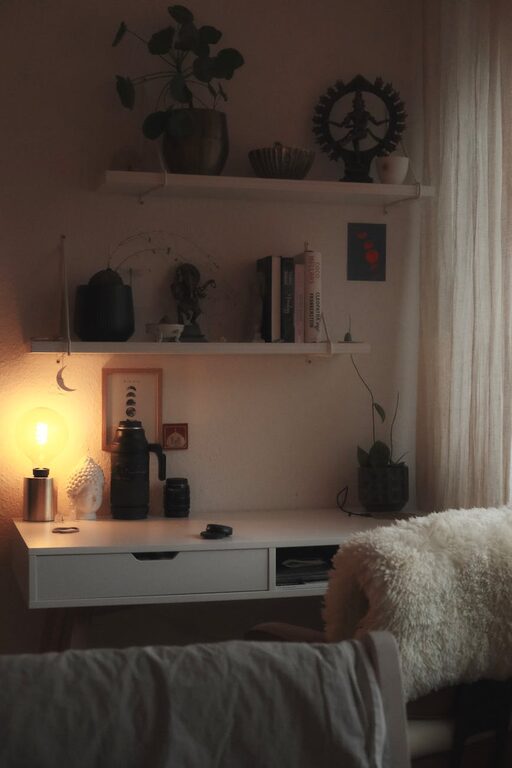
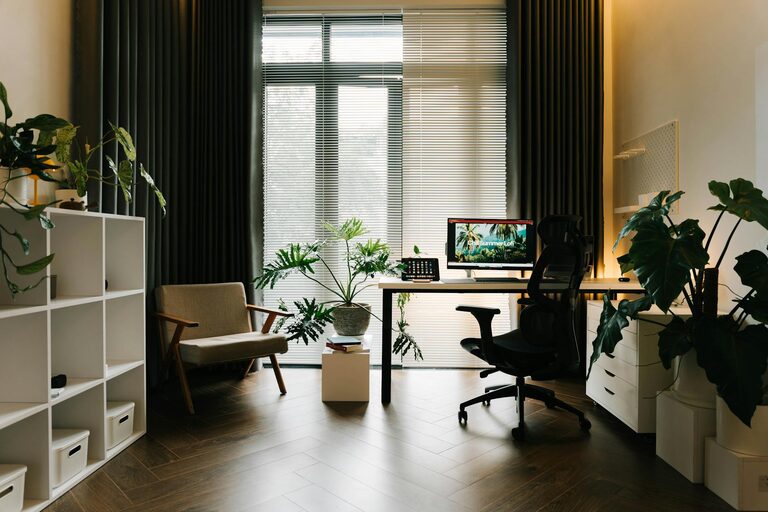
Working from home has become increasingly common, making it essential to set up a home office that supports both comfort and productivity. Whether you have a small corner or a dedicated room, creating an environment that fosters focus and well-being can greatly enhance your work experience. Here are practical tips to help you design a home office tailored to your needs.
Choose the Right Location
The first step is selecting a spot that minimizes distractions and suits your workflow.
– Quiet space: Find a place away from high-traffic areas or noisy parts of your home.
– Natural light: Position your desk near a window if possible; natural light boosts mood and energy.
– Privacy: If you share your home with others, consider a room with a door for privacy during calls or focused work.
Invest in Ergonomic Furniture
Comfort is key to sustaining long hours of work without strain.
– Ergonomic chair: Choose a chair that supports your lower back, encourages good posture, and has adjustable height and armrests.
– Desk height: Your desk should allow you to work with your feet flat on the floor and elbows at a 90-degree angle.
– Monitor setup: Keep your screen at eye level about an arm’s length away to reduce neck and eye strain.
Organize Your Workspace Efficiently
A clutter-free environment enhances concentration and reduces stress.
– Storage solutions: Use shelves, drawers, or filing cabinets to keep supplies and documents organized.
– Desk organization: Keep only essential items within reach; use trays or containers for small items.
– Cable management: Use clips or sleeves to keep cords tidy and prevent tangles.
Optimize Lighting
Proper lighting reduces eye fatigue and maintains alertness.
– Task lighting: A desk lamp with adjustable brightness helps illuminate your work area without glare.
– Balanced lighting: Combine natural light with soft overhead lights to avoid harsh shadows.
– Screen brightness: Adjust your monitor’s brightness and contrast for comfortable viewing throughout the day.
Personalize Your Space
Adding personal touches can make your home office inviting and motivating.
– Plants: Indoor plants improve air quality and add a calming green touch.
– Artwork: Choose images or prints that inspire creativity or relaxation.
– Colors: Use colors that promote focus and positivity, such as soft blues, greens, or neutrals.
Establish a Routine and Boundaries
Your environment works best when supported by healthy habits.
– Dedicated work hours: Set and stick to consistent start and end times.
– Breaks: Incorporate regular breaks to rest your eyes and stretch your body.
– Clear boundaries: Communicate your workspace and schedule to family or housemates to minimize interruptions.
Incorporate Technology Wisely
Technology can enhance your efficiency if chosen and arranged thoughtfully.
– Reliable internet: Invest in a strong connection to avoid disruptions during meetings.
– Headphones: Noise-canceling headphones help block distractions.
– Essential tools: Use productivity apps and software to stay organized and on track.
Maintain Good Air Quality and Temperature
Comfort extends beyond furniture and lighting.
– Ventilation: Ensure your workspace has fresh air circulation.
– Temperature control: Use fans, heaters, or humidifiers to keep the air comfortable throughout the year.
Keep It Clean
A clean workspace promotes clarity and positivity.
– Daily tidying: Spend a few minutes clearing papers, dusting, and organizing.
– Sanitize regularly: Clean your keyboard, mouse, and desk surface to maintain hygiene.
Final Thoughts
Creating a home office that is both comfortable and productive is a blend of smart design, organization, and routines. By paying attention to location, ergonomics, lighting, and personal touches, you can develop a space that supports your work and well-being. Start with small changes and adjust your setup until it fits your unique needs perfectly.