
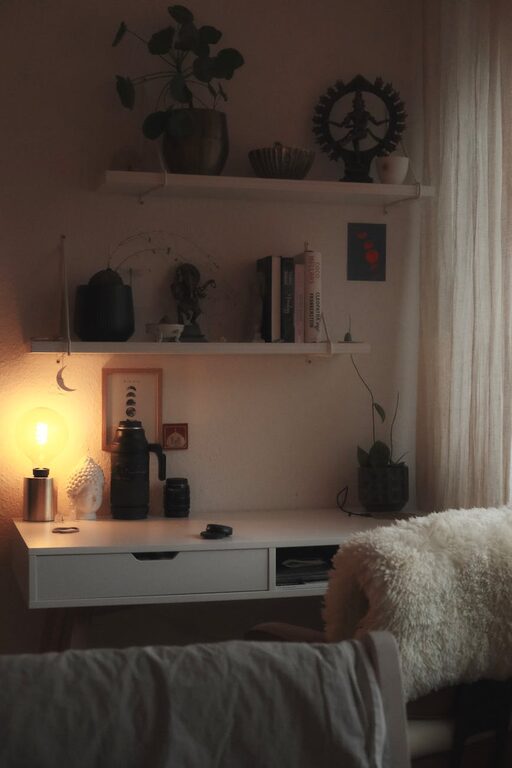
Creating a relaxing home office environment is essential for maintaining focus, reducing stress, and boosting overall productivity. Whether you work remotely full-time or occasionally need a quiet spot to handle tasks, your workspace can greatly influence your mood and output. In this post, we’ll explore practical tips to transform your home office into a calm, inviting space that supports your best work.
Choose the Right Location
Find a Quiet Spot
Select a space in your home that naturally has less noise and traffic. A corner in a spare room, a nook near a window, or a section of your living area can work well. Avoid placing your office near busy household areas like the kitchen or the main corridor, as these tend to have more distractions.
Maximize Natural Light
Natural light improves mood and reduces eye strain. Position your desk near a window if possible. If natural light is limited, make sure to use warm, adjustable lighting that mimics daylight to keep your workspace bright and welcoming.
Invest in Comfortable Furniture
Choose an Ergonomic Chair
Sitting comfortably helps prevent back pain and fatigue. Look for a chair with adjustable height, good lumbar support, and cushioned seating. Because you’ll spend hours sitting, comfort is key.
Use a Proper Desk
Your desk should be at a height that allows your shoulders to relax and your wrists to stay straight while typing. If space allows, consider a desk with enough surface area for your computer, notebooks, and other essentials without clutter.
Keep It Organized
Declutter Daily
A cluttered desk can lead to a cluttered mind. Make it a habit to clear your workspace at the end of each day. Use trays, shelves, or drawers to store papers and supplies.
Use Storage Solutions
Invest in organizers like file holders, drawer dividers, or boxes to keep items neatly arranged. Labeling containers can also make it easier to find what you need quickly.
Personalize Your Space Mindfully
Add Plants
Indoor plants bring a touch of nature into your home office, helping to improve air quality and create a soothing atmosphere. Choose easy-care plants such as succulents or pothos.
Use Calming Colors
Soft, neutral colors like light blues, greens, or beige can make your office feel peaceful. Avoid overly bright or harsh colors that may be distracting.
Display Inspirational Items
Keep objects that motivate you nearby, such as meaningful photos, quotes, or artwork. Just be sure to avoid overcrowding your space with things that might become distractions.
Enhance Focus with Sound
Play Background Music
If you enjoy music while working, choose calm, instrumental tunes or nature sounds. These can help mask household noise and enhance concentration.
Consider Noise-Cancelling Options
If noise is unavoidable, noise-cancelling headphones or white noise machines can create a quieter environment, allowing you to stay focused.
Prioritize Good Air Quality
Ventilate Regularly
Fresh air helps keep you alert and comfortable. Open windows when possible, or use an air purifier to reduce dust and allergens.
Maintain Comfortable Temperature
Make sure your office temperature is neither too hot nor too cold. Use fans, heaters, or humidifiers to maintain a comfortable climate suited to your preferences.
Incorporate Break Areas
Create a Relaxation Spot
If space permits, add a small area with a comfortable chair or cushion where you can take short breaks. Stepping away from your desk for a few minutes helps refresh your mind.
Practice Mindfulness or Stretching
Use your break space to do a few stretches or mindfulness exercises, which can reduce tension and increase productivity when you return to work.
Use Technology Wisely
Minimize Screen Glare
Position your monitor to avoid reflections and adjust brightness and contrast settings. Consider using a screen filter if necessary.
Organize Cables
Tangled cables create visual clutter. Use cable clips, sleeves, or ties to keep cords neat and untangled.
—
Creating a relaxing home office environment takes a bit of planning, but the benefits are well worth it. By thoughtfully choosing your location, furniture, and decorations—and keeping the space organized and comfortable—you can build a workspace that supports your productivity and mental well-being every day. Start small by implementing one or two of these tips, and gradually enhance your home office for a stress-free work experience.